
Fundraisers are often planned with the best intentions, great cause, great people, and a goal everyone cares about.
But once the event starts, the energy doesn’t always match.
Guests arrive, find their seats, maybe browse a silent auction, and then… wait. Conversations stay within small groups, participation is limited, and the overall momentum never quite builds.
And when engagement is low, everything else becomes harder, donations, participation, and the overall success of the event.
Why Most Fundraisers Fall Flat
The challenge isn’t the cause, the guests, or even the effort put into planning, it’s the format of the event itself.
Many traditional fundraisers rely on passive participation. Guests sit, watch, wait for certain moments to engage, and then return to their tables. A handful of people may actively participate, but most remain on the sidelines.
Over time, the energy plateaus. Conversations stay within familiar circles, fewer people get involved, and the event starts to feel more like a formal obligation than a shared experience.
And when guests aren’t actively engaged, it becomes much harder to build momentum, the kind of momentum that drives participation, generosity, and overall success.
What Actually Makes a Fundraiser Work
Successful fundraisers don’t rely on a few key moments, they create ongoing engagement throughout the entire event.
Instead of asking guests to wait for something to happen, the most effective formats give people a reason to participate from the start. They create shared experiences, spark interaction, and keep the energy moving rather than letting it stall.
When guests feel involved, everything changes. Conversations expand beyond small groups, participation increases, and the overall atmosphere becomes more dynamic and connected.
And that shift has a direct impact on results. When people are engaged, they’re more likely to contribute, participate in fundraising activities, and support the cause in a meaningful way.
Popular Fundraiser Ideas (What Works + What Doesn’t)
The format you choose plays a bigger role in this than most people realize.
There’s no shortage of fundraiser ideas, and many of them can work in the right context. The challenge is understanding how each format impacts guest engagement, and ultimately, participation.
Here’s how some of the most common approaches compare:
Silent Auctions
A staple of many fundraising events, silent auctions allow guests to browse and bid at their own pace.
They’re easy to incorporate and can generate strong results, but engagement is often limited to certain moments. Many guests participate briefly, then return to their tables, leaving gaps in energy throughout the event.
Live Auctions
Live auctions can create excitement and urgency, especially with the right auctioneer and audience.
However, participation is typically concentrated among a smaller group of bidders, while the rest of the room watches. This can create a disconnect between those actively involved and those simply observing.
Gala Dinners
Formal dinners provide structure and a polished atmosphere, making them a popular choice for fundraising events.
But on their own, they tend to be more passive. Guests stay within their own groups, and without an interactive element, engagement can remain low for much of the event.
Raffles and Giveaways
Raffles are simple to run and can encourage participation with minimal effort from guests.
While effective in short bursts, they don’t typically sustain engagement over time, and interaction between guests is limited.
Games and Activities
ncorporating games or small activities can help increase participation and create moments of interaction.
The challenge is that these often appeal to a portion of the audience rather than the entire group, which can leave some guests more engaged than others.
Each of these formats has its place, but they all share a common limitation, they rely on moments of participation rather than creating an experience where guests are consistently involved.
And that’s where the difference starts to show.
| Activity | The Promise | Engagement | Inclusivity | What Actually Happens |
| Silent Auction | Easy, self-paced bidding | 😐 Low-Medium | 🙂 Medium | Guests browse briefly, then disengage |
| Live Auction | High energy, big moments | 🙂 Medium | 😐 Low-Medium | A few bid, most just watch |
| Raffles & Giveaways | Quick, easy participation | 😐 Low | 😄 High | Smaller groups, not a shared experience |
| Games & Activities | Fun, interactive moments | 🙂 Medium | 🙂 Medium | Some participate, others sit out |
| Gala Dinner | Elegant, structured event | 😐 Low | 🙂 Medium | Guests stay in small groups |
| Murder Mystery | Shared, immersive experience | 😄 High | 😄 High | Everyone has a role and gets involved |
An Interactive Format That Keeps Guests Involved
The most effective fundraisers don’t rely on isolated moments of participation, they create an experience where guests are involved from beginning to end.
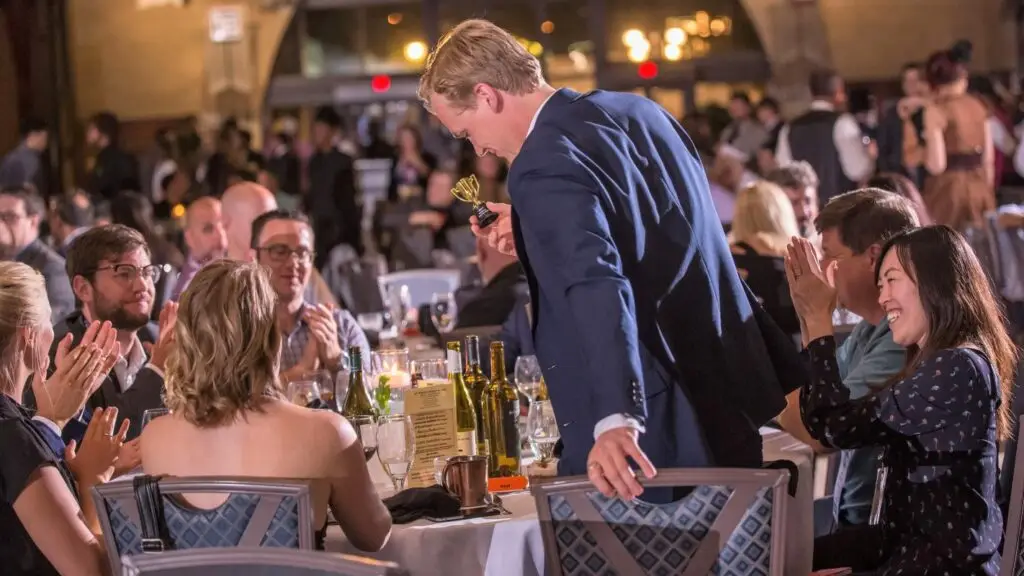
While the structure of a fundraiser may still include familiar elements, ticket sales or a donation ask, the experience itself plays a much bigger role than most people realize.
An interactive format like a murder mystery party doesn’t replace those components, it enhances them.
Instead of guests passively sitting through the evening, they’re engaged, interacting, and sharing the experience with the people around them. Conversations extend beyond their immediate table, and the overall energy of the room feels more connected and open.
That matters, because fundraising isn’t just about presenting a cause, it’s about how people feel in the moment they’re asked to support it.
When guests have spent the evening laughing, interacting, and building real connections, they’re often more receptive, more engaged, and more willing to give. The event becomes more than just a fundraiser, it becomes a shared experience that strengthens the relationship between your organization and the people in the room.
Why Engagement Drives Better Fundraising Results
When guests are actively involved, the entire dynamic of a fundraiser shifts.
Instead of waiting for moments to participate, people become part of the experience. Energy builds throughout the event, conversations expand, and engagement carries from one moment to the next rather than starting and stopping.
And that increased engagement doesn’t just improve the atmosphere, it directly impacts results. When people feel connected and involved, they’re more likely to contribute, participate in fundraising activities, and support the cause in a meaningful way.
The difference comes down to one simple idea. The most successful fundraisers don’t just raise money, they actively involve the people in the room.
The most successful fundraisers don’t just raise money, they actively involve the people in the room.
Planning a Fundraiser That Keeps Guests Engaged
The format of your event plays a major role in how guests experience it, but it’s not the only factor to consider.
When planning a fundraiser, it helps to think beyond just the schedule of activities and focus on how guests will move through the experience as a whole.
Start with your audience. Consider the size of the group, how well guests know each other, and what level of participation they’ll be comfortable with. An event that works well for a smaller, close-knit group may feel very different with a larger or more diverse audience.
Next, think about pacing. Events that rely on a few key moments often leave gaps in energy, while experiences that create ongoing interaction tend to maintain momentum from beginning to end.
It’s also important to balance structure with flexibility. A well-designed event gives guests a clear sense of what’s happening, while still allowing room for natural interaction and participation.
When these elements come together, audience, pacing, and format, the result is an event that feels cohesive, engaging, and ultimately more effective at achieving its goals.
How to Choose the Right Fundraiser Format
With so many options available, choosing the right fundraiser format often comes down to a few key considerations.
Start by defining your goal. Are you focused primarily on raising funds, increasing awareness, or creating a memorable experience for your supporters? The most effective events align the format with the outcome you’re trying to achieve.
Next, consider your audience. The size of the group, the mix of personalities, and how well guests know each other all play a role in how an event will feel and function. Formats that encourage interaction tend to create a more inclusive and engaging experience across a wider range of guests.
Finally, think about the level of participation you want to create. Some formats naturally involve only a portion of the room, while others are designed to engage everyone throughout the event. If your goal is to build energy, encourage connection, and increase overall participation, choosing a format that keeps guests actively involved can make a significant difference.
When these factors are aligned, the event becomes more than just a fundraiser, it becomes an experience that people remember and want to support.
If you’re planning a fundraiser and want something that keeps guests engaged from start to finish:
Learn more about our interactive fundraiser events.